
Reading your dog's tail: it's not always happiness
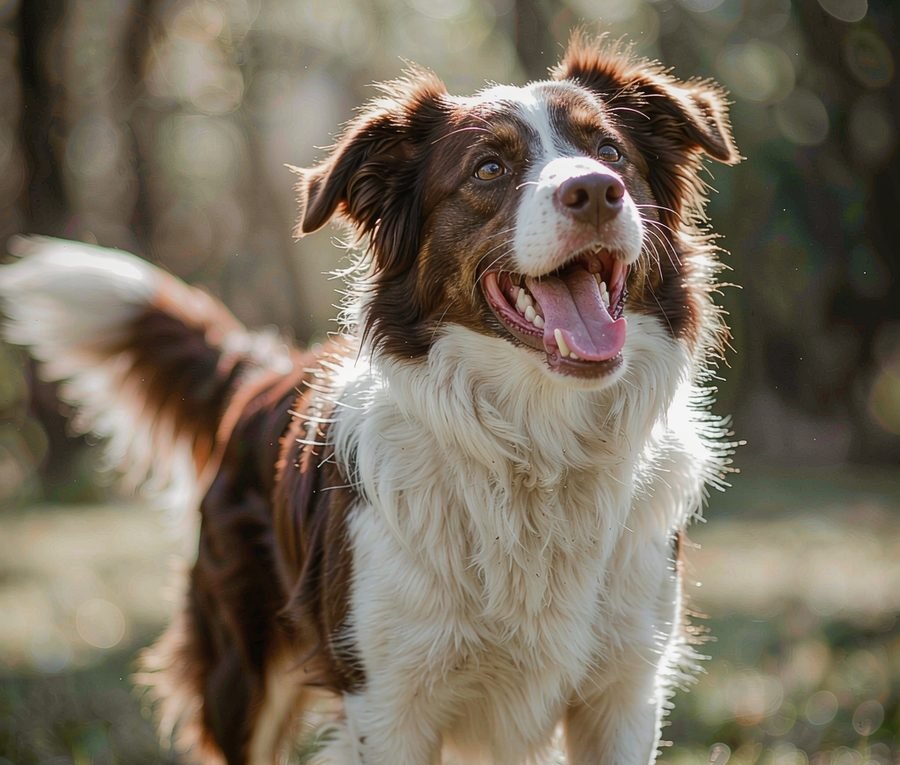
The most dangerous myth in dog body language is that a wagging tail means a friendly dog. Bite reports are full of witnesses saying the dog was wagging. It probably was. Tails wag for many reasons, and only some of them are hello.
A wag is motion, and motion means something is up
Tails wag when a dog is emotionally activated. The emotion could be joy. It could also be uncertainty, alertness, frustration, or conflict. Height of arousal, not valence, is what the wag measures.
So read the whole dog, then the tail. Loose body, soft mouth, wiggling hips, tail at mid height sweeping wide: genuine social joy. Stiff body, hard stare, tail high and ticking in small sharp movements: that is arousal too, and it is not an invitation.
The details that matter
Height is status and confidence. A tail clamped low or tucked is fear, and a scared dog that feels cornered is where bites come from.
Speed and width are intensity. The famous helicopter wag, full circle, whole rear end involved, is about as friendly as dog language gets.
Asymmetry is real. Research found dogs wag with a right-side bias when they feel positive about something and drift left under stress. You do not need to study sides at the park. Just notice when the wag looks tight, high, or small. Those are the ones that ask for space.
Teaching kids the honest version
The rule for children is simple and safer than the old one: before petting any dog, ask the person, then let the dog choose. Hand low, let the dog come to you. If the body is loose and the dog pushes in, pet it. If it is stiff or turns away, thank it for the answer and move on.
Dogs spend their lives being polite in a language we barely read. The tail is the loudest word in that language, and it has more meanings than hello. A few minutes of learning it buys a lifetime of better conversations, and keeps everybody's hands safe.