
Do cats really get lonely?
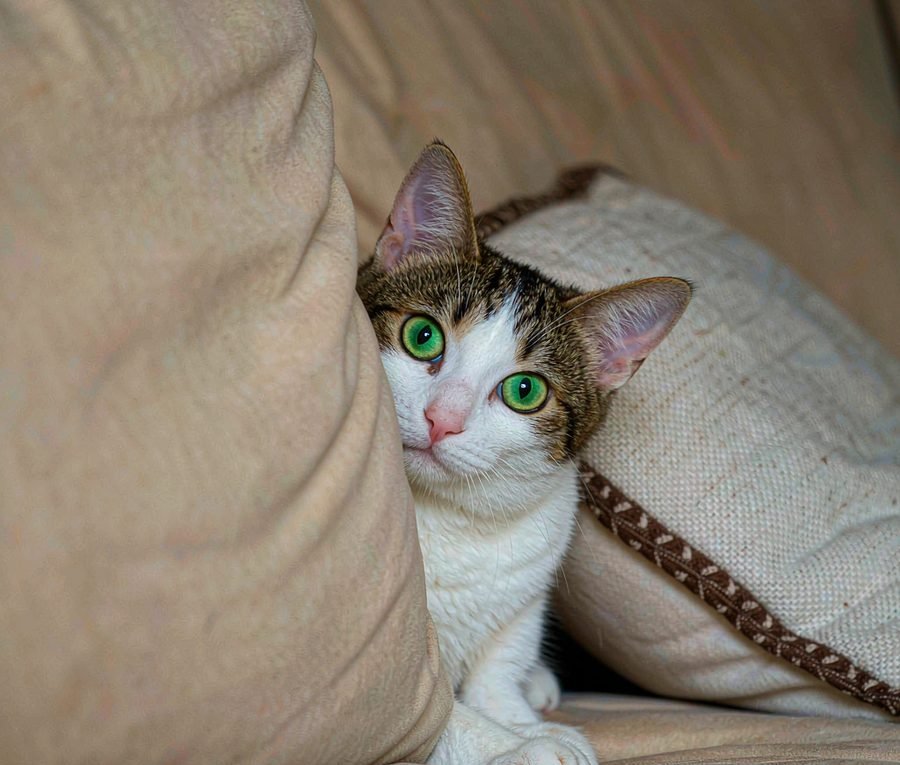
Cats have a reputation for being fine alone. Some are. But after years of watching cats, and after hearing the same story from hundreds of owners, I would put it differently: cats get lonely quietly, and they hide it well.
The myth of the totally independent cat
Feral cats live in colonies. Mother cats co-raise kittens. In a barn, cats sleep in heaps. The independent house cat is a fairly recent invention, and a lot of them are not as independent as we assume.
The problem is that loneliness in cats does not look like loneliness in dogs. A lonely dog makes noise and eats your shoes. A lonely cat just... flattens. It sleeps more, plays less, grooms too much or not enough, and greets you with less of the usual commentary.
Signs worth taking seriously
Watch for changes rather than single symptoms. A cat that used to meet you at the door and now does not. A cat that over-grooms a bare patch on its belly. A cat that eats from boredom and one that stops bothering, both count.
Long empty days are the usual cause. Two income households, long commutes, travel. The cat is not sad in a dramatic way. It is just under-stimulated, and months of under-stimulation add up.
What actually helps
Window view, climbing space, and a predictable play session when you get home. Puzzle feeders so the day has structure. If the budget and the cat allow it, a second cat with a careful, slow introduction.
This is a big part of why our design work starts with how a cat spends a solo day. A window perch at the right height, a scratcher it will actually use, toys that move like prey instead of like plastic. None of it replaces you. All of it makes the alone hours better.
Cats do not ask for company loudly. They just do better when it is there.