
Choosing a carrier your cat won't hate
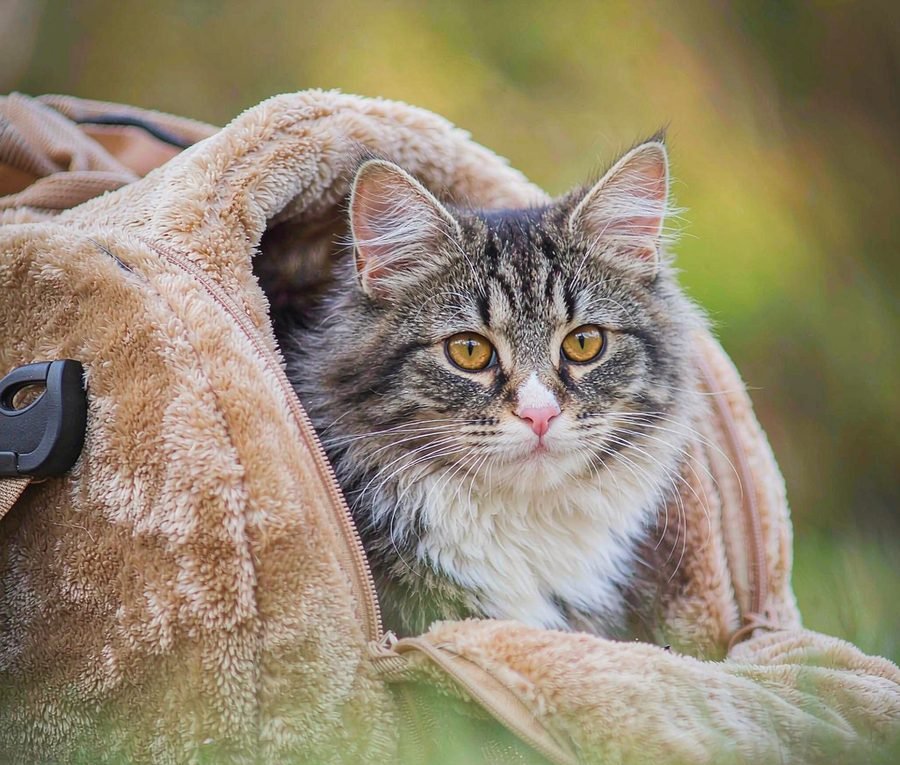
Ask a cat owner about carrier day and you will hear the same story. The carrier comes out of the closet, the cat vanishes, and twenty minutes later there is a person with a scratched arm chasing a small angry cloud around the apartment.
It does not have to be like this.
The real problem is not the carrier
The problem is what the carrier means. It appears twice a year, always before something unpleasant, and it always ends at a place with clipper smells and dog noises. Your cat is not afraid of the box. It is afraid of the schedule.
So the fix starts weeks before any vet trip: the carrier becomes furniture. Sit it in the living room, door open, blanket inside, treats appearing in it at random. When the carrier is just the cozy box that sometimes dispenses chicken, vet day becomes a normal event in a familiar space.
Features that actually matter
Top loading is the feature I would not give up. A frightened cat can be lowered in gently instead of pushed into a front hatch it is actively defending.
Beyond that: a solid frame that does not sag when lifted, mesh panels for airflow and view, secure latches, and a pad you can remove and wash. Size should let the cat stand and turn, not host a party.
What we learned testing carriers
We tested a whole range before adding one to our line, and the results humbled us. Cats preferred carriers with a dark interior and one small window over the airy, bright designs the humans in the room liked best. The lesson stuck: we design for the animal, and the human gets a handle they like and a washable pad.
If your cat already hates its carrier, do not throw it out. Leave it out for a month with the door open and feed near it, then in it. Fear fades when the object stops predicting bad days. Give it time. Cats are fair, once you speak their language.